Ramsey/Washington Recycling & Energy (R&E) works to reduce and recover value from waste. R&E offers programs and education to help residents and businesses reduce and best manage waste. For the waste that is generated in the two counties, R&E recycles what can be recovered and processes the rest into energy rather than sending it to a landfill.
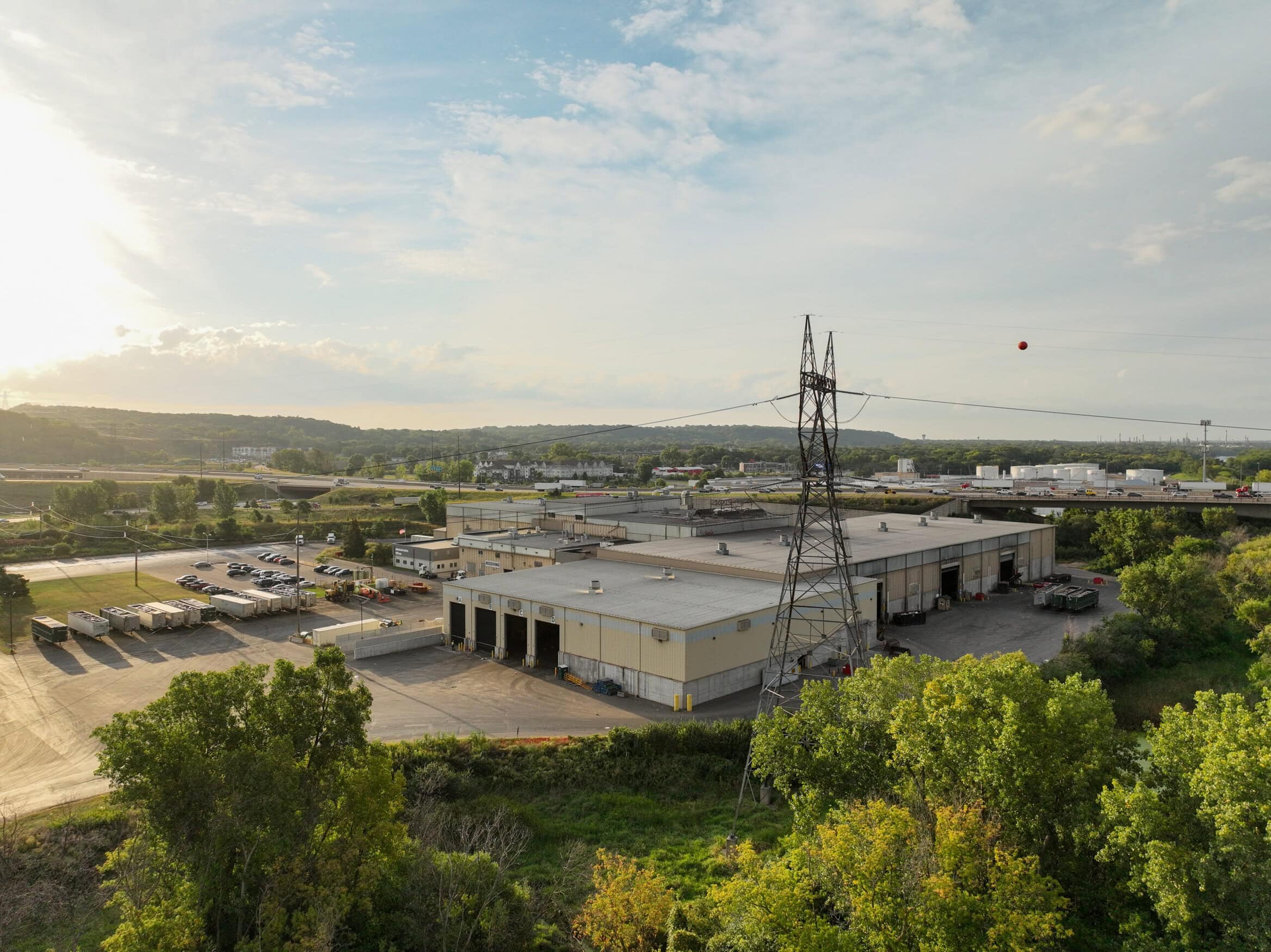
The Ramsey/Washington Recycling & Energy Center in Newport does not burn waste, but it plays a key role in the waste-to-energy system. The facility processes all municipal solid waste from homes and businesses across both counties. Recyclable metals and food scrap bags are recovered, and the remaining material is processed to create refuse-derived fuel – a fluffy material that burns easily – that is sent to Xcel Energy power plants in Red Wing and Mankato to generate electricity.
Waste-to-energy is a process that turns waste into electricity. Non-recyclable waste is burned and heats up water into steam. The steam powers a turbine that generates electricity, all while keeping waste out of landfills, protecting public health and reducing climate and environmental impacts.
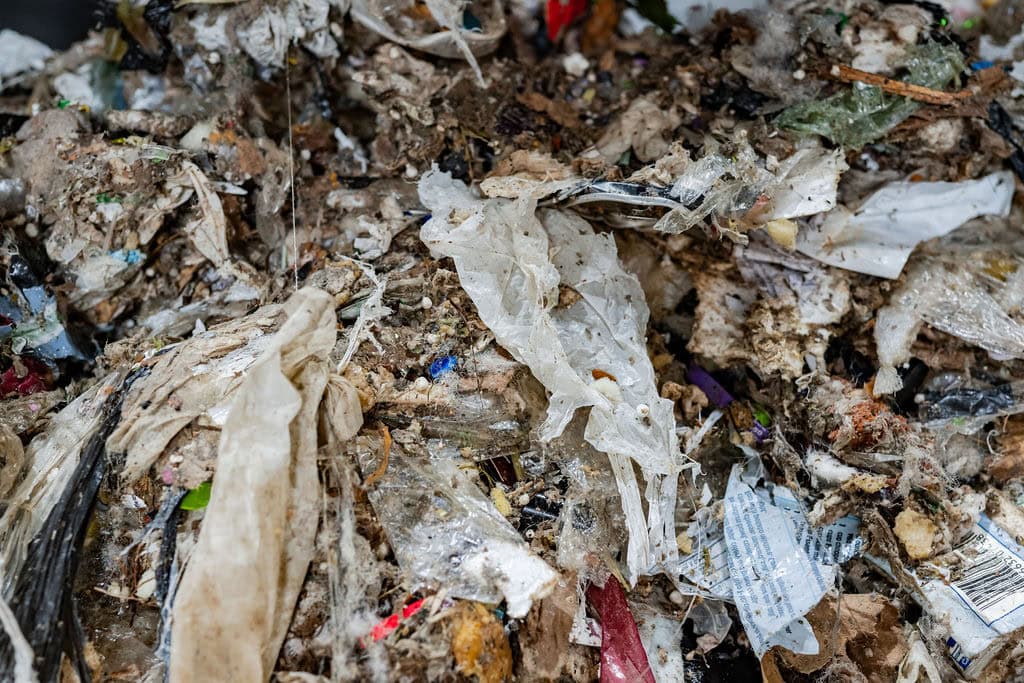
Landfills pose ongoing environmental and public health risks. Decomposing waste generates methane, a potent greenhouse gas, and can leach chemicals, including PFAS, that contaminate soil and groundwater. State and federal law establishes waste-to-energy as the preferred alternative to landfilling.
Without waste-to-energy facilities, Ramsey, Washington and Hennepin counties would send 711,000 additional tons of waste to landfills every year – an amount that could fill Allianz Field in Saint Paul 33 times.
All waste generated by residents and businesses in the two counties—about 450,000 tons annually, or roughly 13% of Minnesota’s total waste—is processed at the R&E Center. The system is designed to recover as much material as possible and move it up the waste hierarchy before converting the remainder into fuel.
When waste arrives at the R&E Center, it’s tipped on a floor about the size of a football field. Conveyor belts carry material through a series of robotics, shredders, screens and magnets that recover recyclable metals and separate food scrap bags. The remaining material is processed into refuse-derived fuel. The facility handles over 1,000 tons of waste each day, working with six transfer stations and more than 80 haulers across both counties.
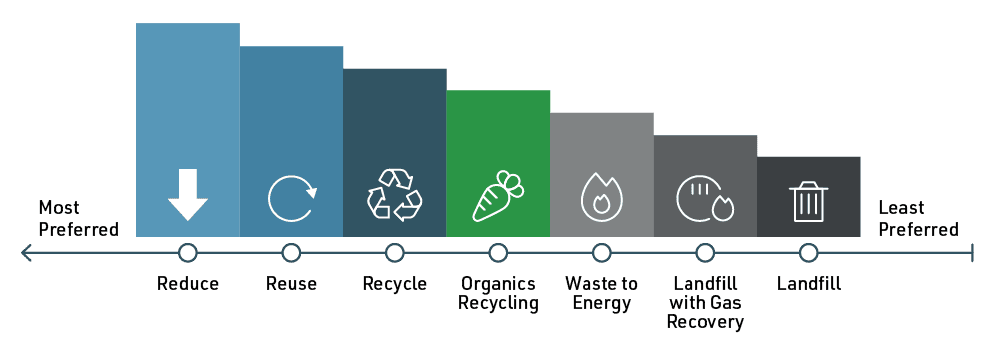
Minnesota’s Waste Management Act establishes a preferred order for handling waste, prioritizing methods that reduce environmental impact — from waste reduction at the top to landfilling at the bottom. Waste-to-energy is preferable to landfilling, but it is not the top priority.
R&E, Ramsey and Washington counties offer programs that aim to move material up the waste hierarchy through education, technical assistance and financial incentives.
R&E and the counties support waste reduction through:
R&E and the counties support reuse through:
Beyond curbside recycling programs in the counties, which capture about half of all waste, R&E and the counties support increasing recycling rates through:
R&E and the counties support organics recycling through:
We offer free tours of the R&E Center in Newport, giving the public a behind-the-scenes look at how waste is managed in Ramsey and Washington counties. Visitors learn how the facility operates and about how to better reduce, reuse and recycle.