
This year marked a decade of impact for Ramsey/Washington Recycling & Energy — and a year of momentum. As I completed my first year as executive director, R&E celebrated ten years of progress and set its sights firmly on the future by launching our first‑ever strategic plan.
Our accomplishments over the past year reflect the strength of this organization. We kept significant quantities of materials out of the waste stream, recovered valuable resources and continued to move toward a more innovative and sustainable system. This progress is driven by an exceptional team and made possible by the vision and support of our board. I invite you to read the full report to see the many ways we made meaningful strides this year — and how that momentum is shaping the work ahead.


Trista Martinson
Executive Director
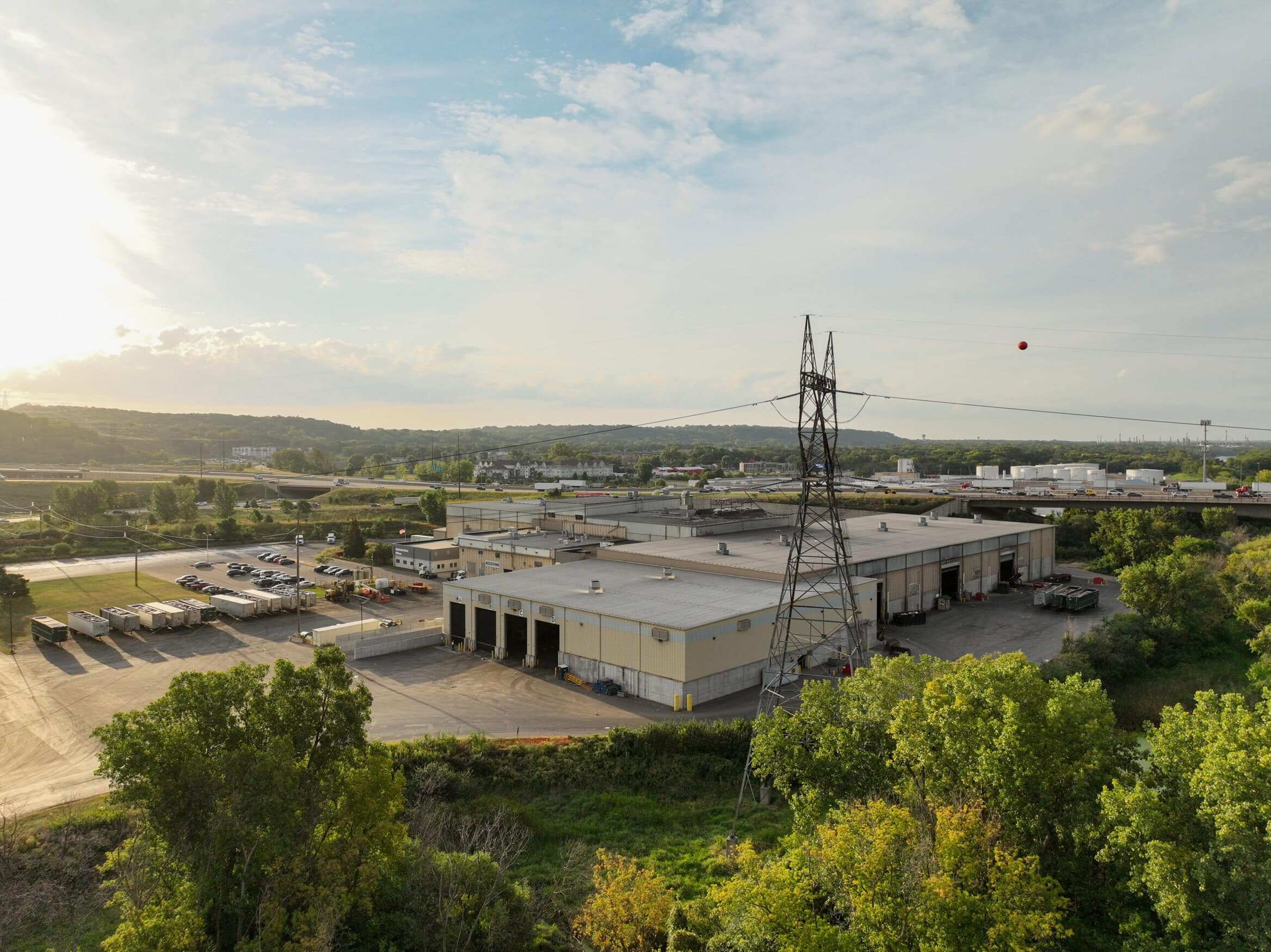
Ramsey/Washington Recycling & Energy (R&E) is the organization through which Ramsey and Washington counties work together to responsibly manage waste. R&E operates the R&E Center in Newport, which processes and recovers value from more than 400,000 tons of trash each year. R&E also offers programs and resources to help residents and businesses reduce waste and recycle better.
R&E is governed by a joint powers board. In 2025, the board transitioned from seven members to five — three appointed by Ramsey County and two by Washington County — to improve efficiency and better align county resources. The board also includes two ex officio members representing the City of Newport and the Minnesota Pollution Control Agency (MPCA), ensuring coordination with local and state partners.
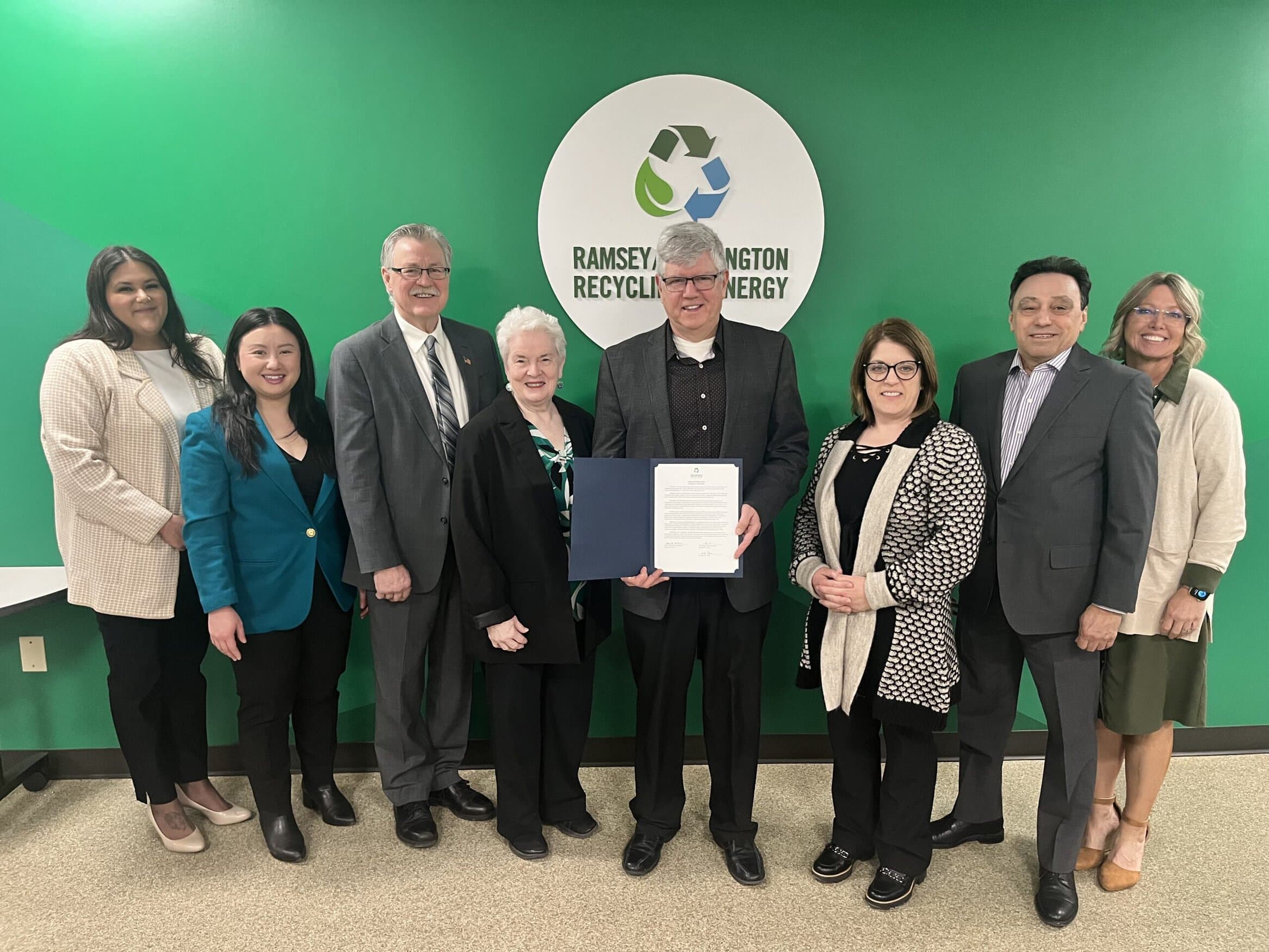
Fran Miron | Board Vice Chair
Karla Bigham | Board Secretary/Treasurer
Bethany Cox | Alternate
Mary Jo McGuire | Board Chair
Kelly Miller
Rafael E. Ortega
Mai Chong Xiong | Alternate
Tom Ingemann | City of Newport
Dave Benke | MPCA
This year, R&E celebrates 10 years, and 39 years in operation as a resource recovery facility. Watch the video below to see the impact of the past decade.
The Partnership on Waste and Energy is a collaboration between R&E and Hennepin County. Through this partnership, Ramsey, Washington and Hennepin counties work together on waste and energy issues, including policy, public outreach, and planning and evaluation of waste-processing technologies. For information on what the partnership accomplished last year, read the 2025 Partnership Annual Report.
R&E coordinates programs on behalf of Ramsey and Washington counties designed to reduce waste, reducing environmental impact across the two counties.
Explore the sections below to learn more about R&E’s programs and their impact in 2025.
businesses, institutions and apartment properties received BizRecycling grants.
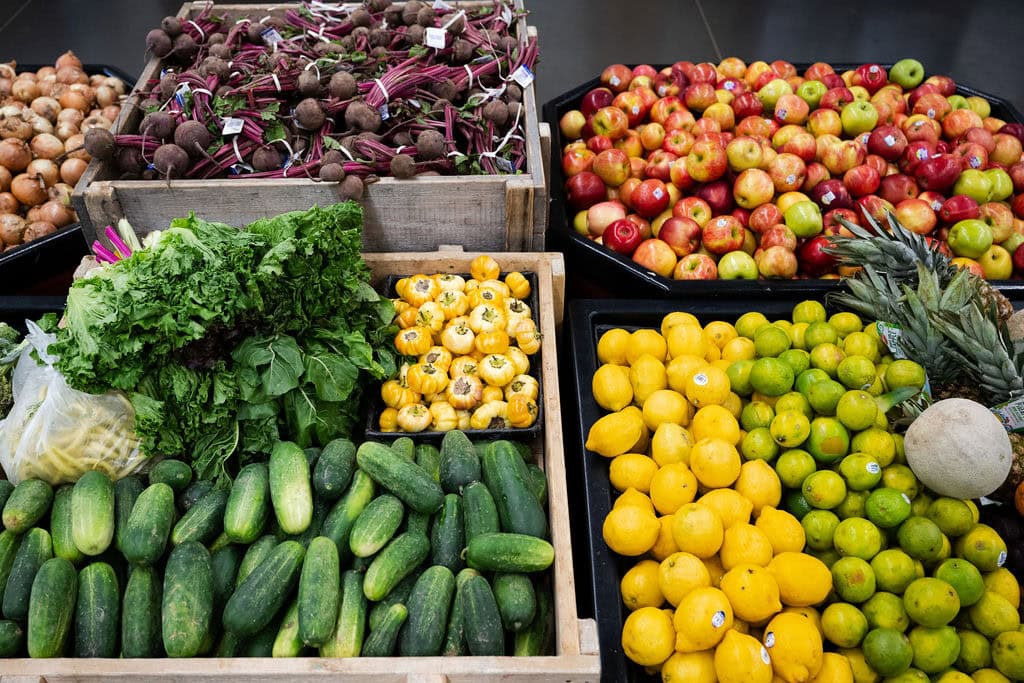
of food were recovered before ending up in the waste stream.
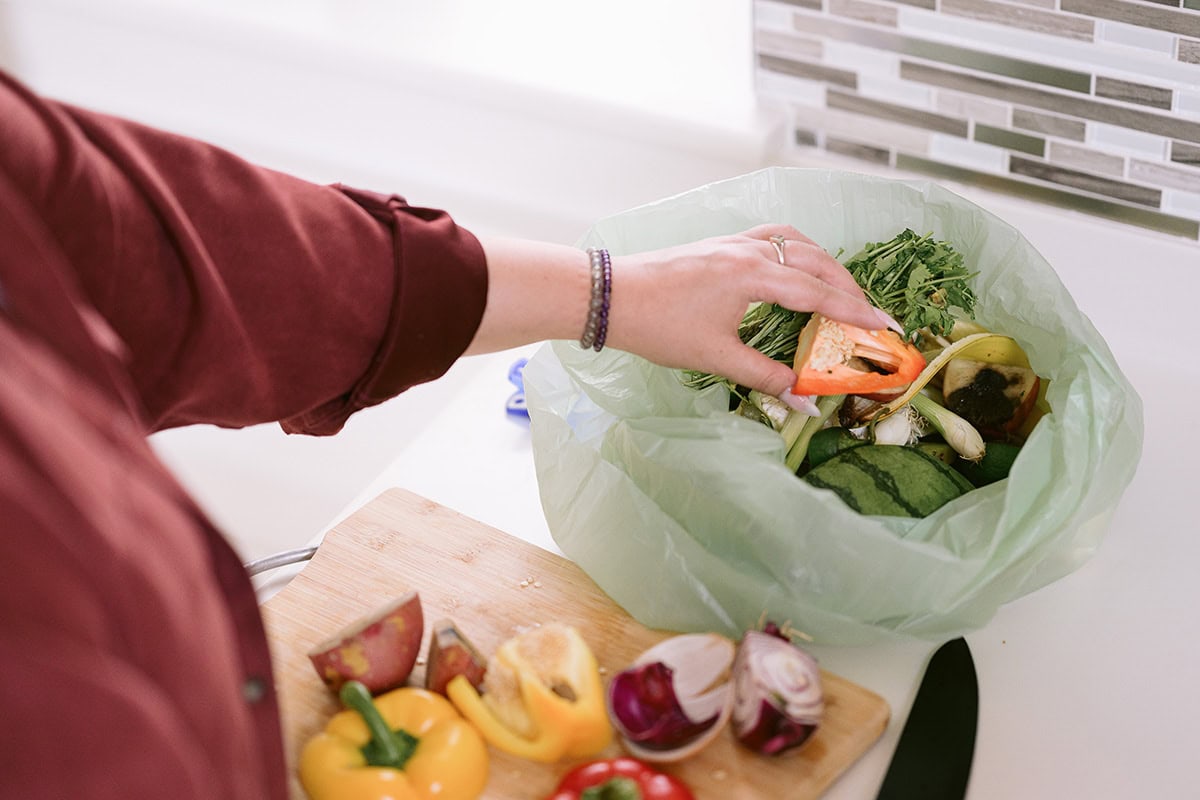
new communities became eligible to participate in the Food Scraps Pickup Program.
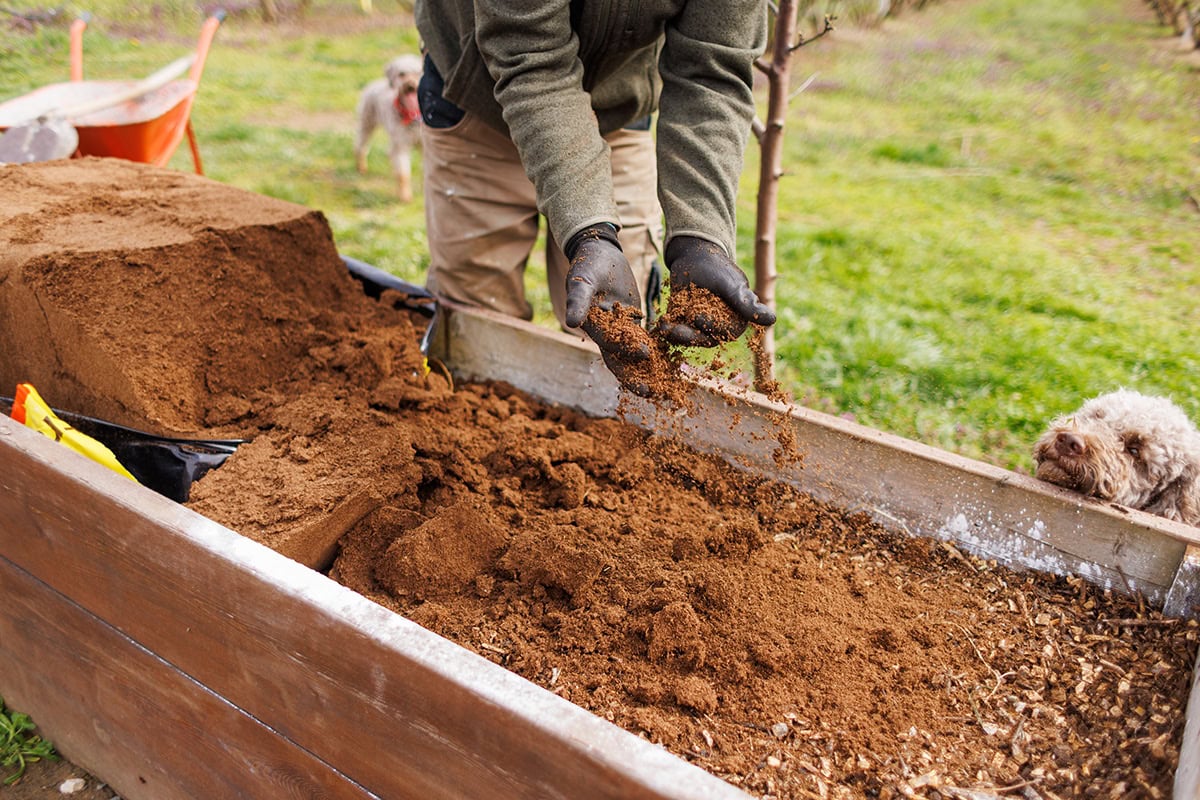
cubic yards of compost were provided to community gardens in Ramsey and Washington counties.
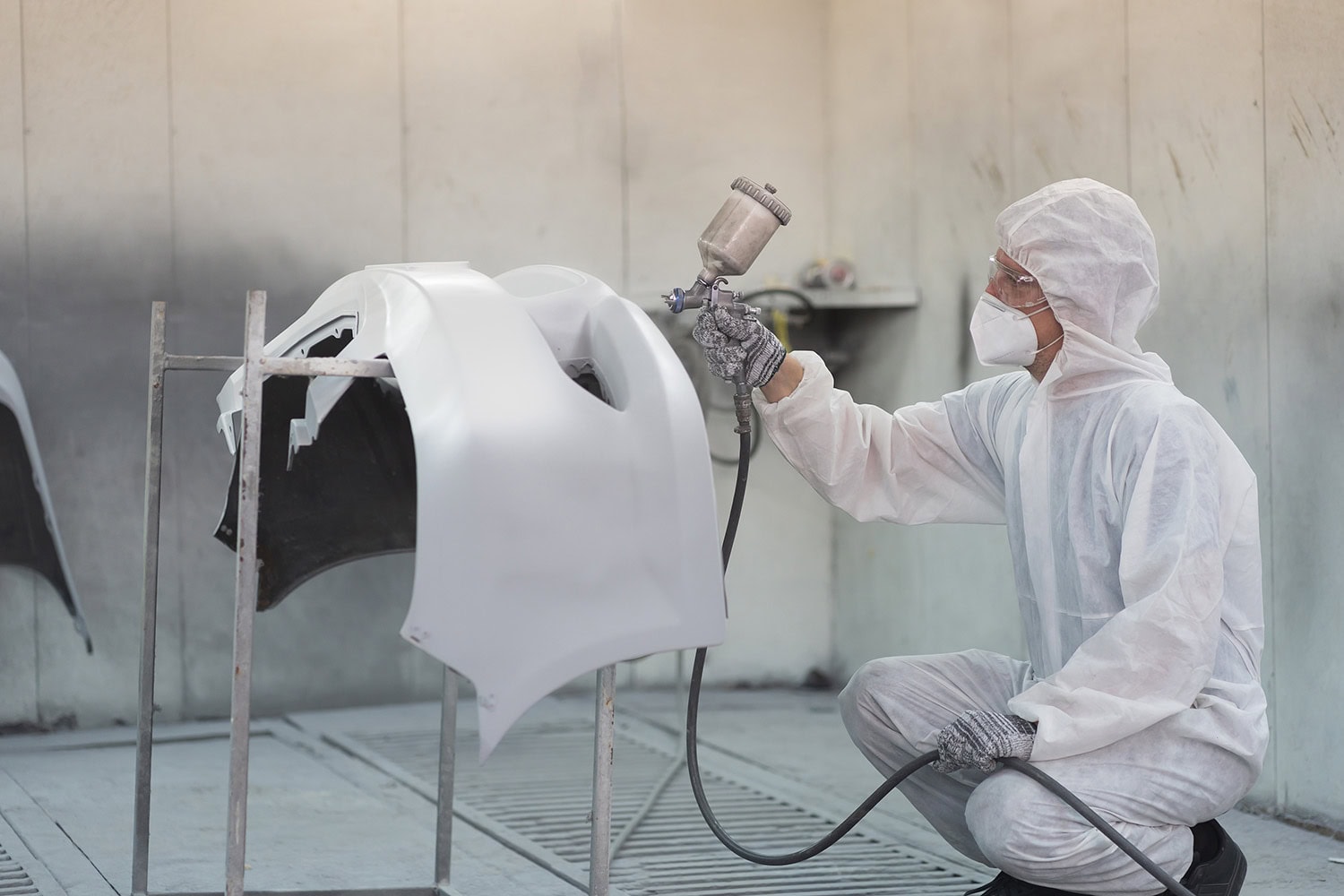
of pollutants prevented annually through Pollution Prevention grants.
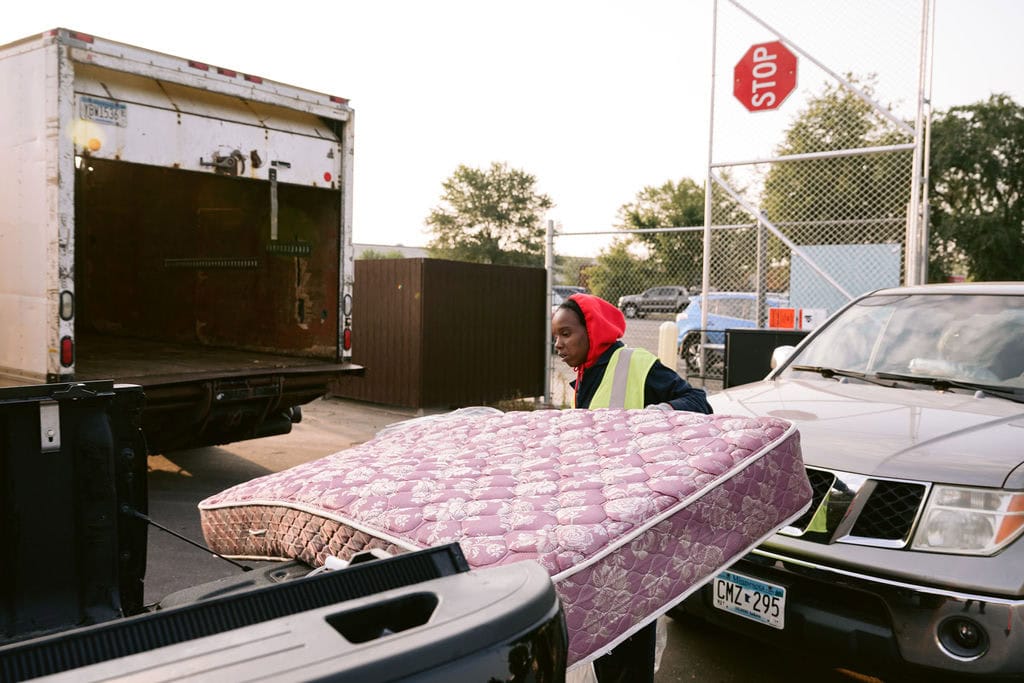
mattresses were collected for recycling rather than ending up in the trash.
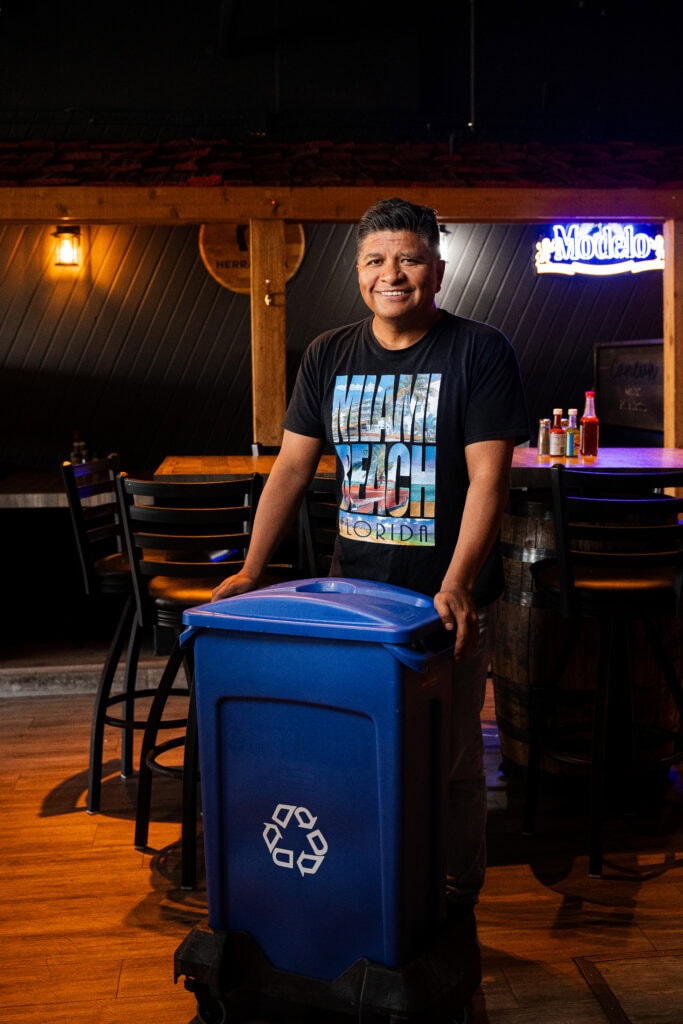
BizRecycling helps businesses, nonprofits, schools, multi-unit residential properties and institutions reduce waste and recycle better through grants and technical assistance.
Program Highlights:
Businesses
& Institutions
Apartments
& Condos
Number of grants awarded
96
26
Grant funding awarded
$717,337
$291,002
Recycling or organics collection programs started
21
3
Recycling or organics collection programs improved
60
29
Waste diverted
3,609,942 lbs.
216,151 lbs.
CO2 avoided
2,854 MTCO2E – equivalent to taking 620 cars off the road for a year.
119 MTCO2E – equivalent to taking 26 cars off the road for a year.
New participants
128
60
Total participants
292
242
Percentage of businesses that are owned by people of color
33%
Percentage of multi-units in climate vulnerable neighborhoods
65%
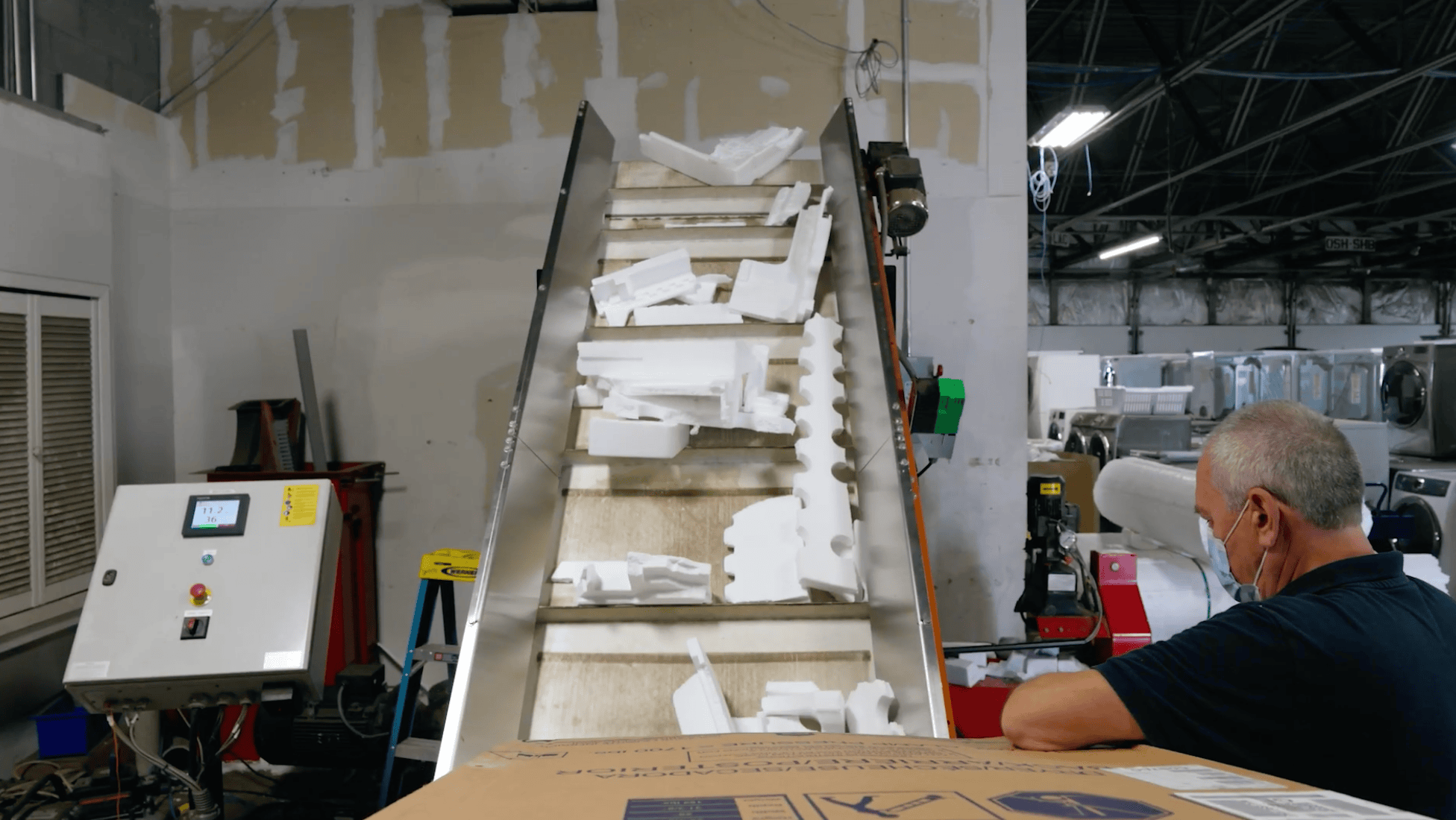
Cloud Recycling, an appliance recycler in Roseville, used a Waste Reduction and Innovation Grant to purchase a foam densifier to repurpose foam into new packaging.

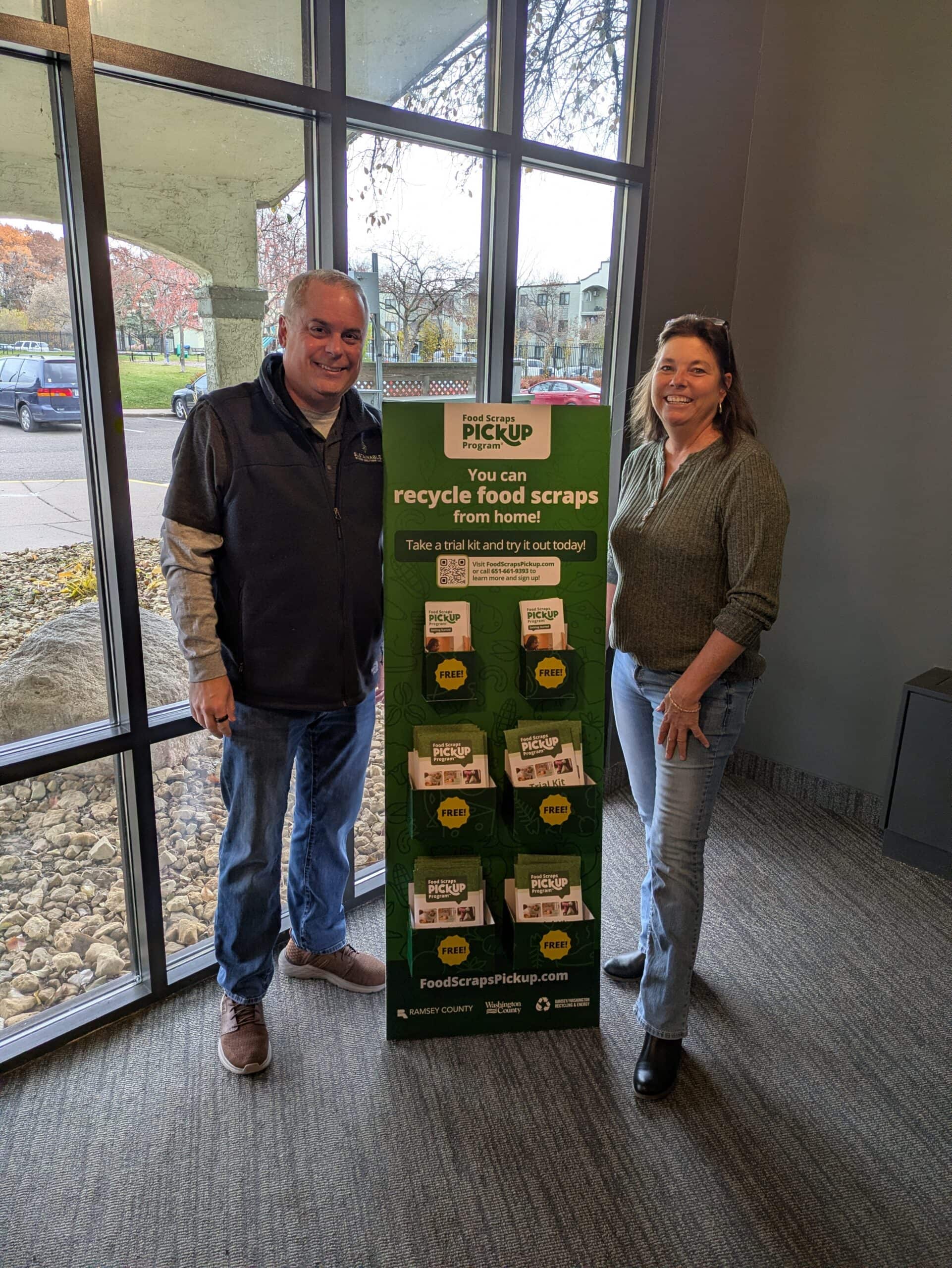
When Pondview Apartments, a 180-unit complex in Maplewood, learned their residents were eligible for the Food Scrap Pickup Program, the property management team expressed interest in promoting the program to their residents. To support resident outreach, brochure stands and trial kits were placed in the building lobby, and door hangers were distributed to all units, resulting in an increase in signups in the building.
Residents have expressed appreciation for the opportunity to compost food scraps and have shared that the program is easy to use and encourages greater engagement in sustainability efforts.
— Kari Fillipi, Property Manager
In 2025, the BizRecycling grant portfolio expanded to include the Pollution Prevention Grant, which provides financial and technical support to help businesses transition to using safer, more sustainable chemicals and high-efficiency equipment.
Grant Highlights:
Bulky items make up a significant portion of the waste stream, but many still have value beyond disposal. Across Ramsey and Washington counties, R&E focuses on keeping these materials in use through mattress recycling programs that recover valuable components and grant funding that supports building material reuse, extending the life of these resources and reducing waste.
Most of a mattress can be recycled — the inner steel spring, foam toppers and box springs all have opportunities to be made into something new. R&E works with municipalities and multi-unit properties to offer mattress collection and recycling through Second Chance Recycling. Participation in this program continued to grow in 2025 with a nearly 50% increase in the number of mattresses recycled compared to the year prior.
Program Highlights:
Collected 19,036 mattresses for recycling, preventing 942 tons of waste through:

1,061
through municipal drop-off events

11,519
through residential curbside collection

1,917
from multi-unit buildings

1,219
from public properties

3,320
from pilot projects, including collection at the R&E Center, Washington County Environmental Centers and in coordination with junk haulers
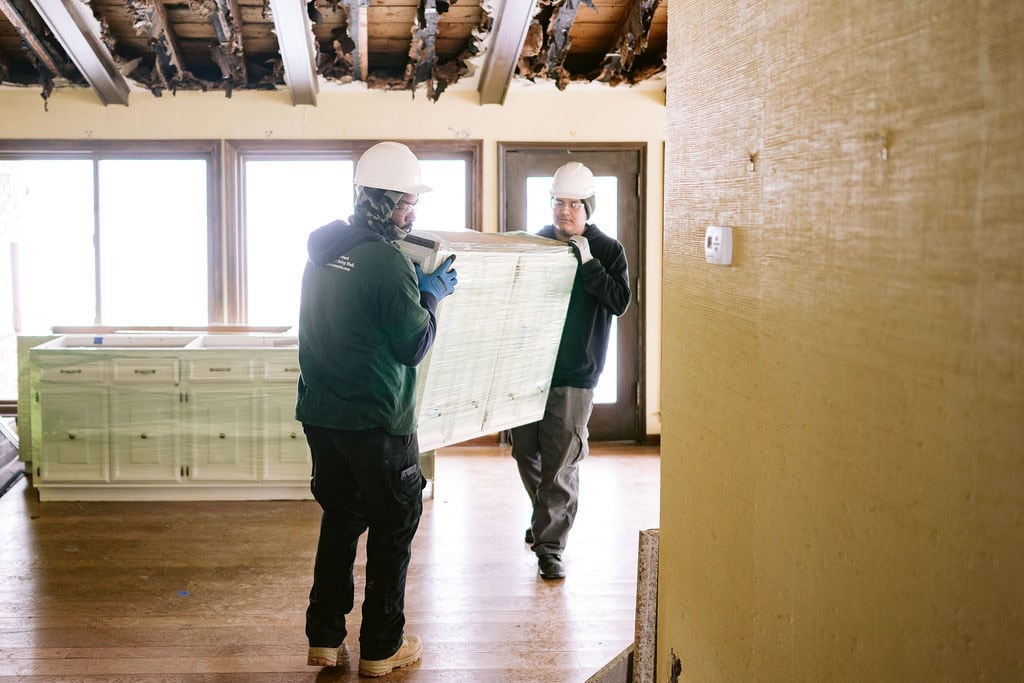
There are options beyond demolition when a building comes to the end of its life. Deconstruction is the process of taking a building apart so that the individual building materials can be reused in other projects. Many building materials — including cabinets, light fixtures, wood floors, doors, bathtubs, toilets, windows and much more — can be reused instead of being sent to a landfill.
R&E offers grants for residential, multi-unit and commercial properties to support projects that use salvaged materials, deconstruct buildings or move full structures for reuse.
Program Highlights:
Across Ramsey and Washington counties, R&E takes a comprehensive approach to food waste — preventing it when possible, rescuing edible food for people, recycling food scraps into compost and strengthening local markets to ensure those nutrients return to our communities.
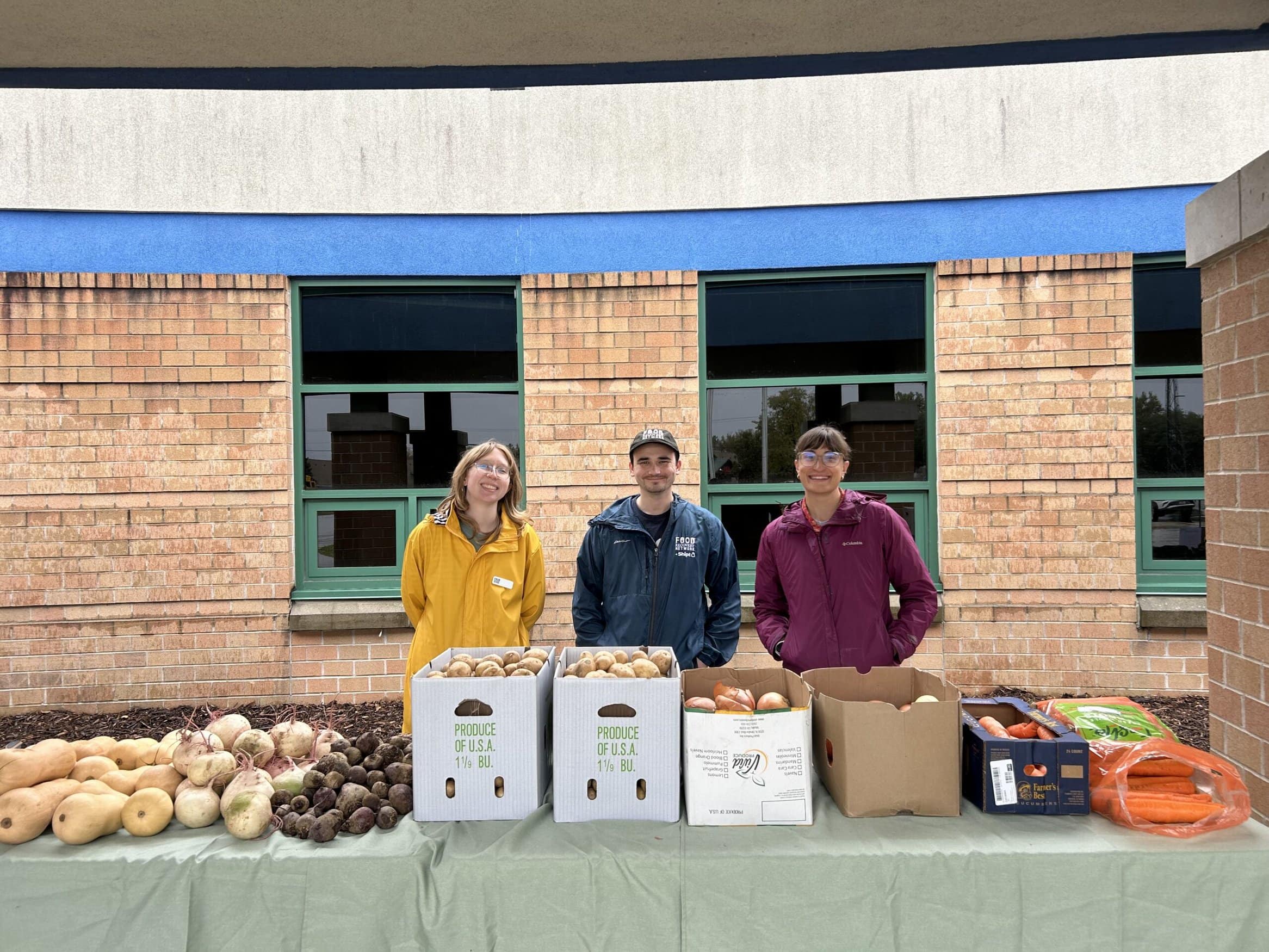
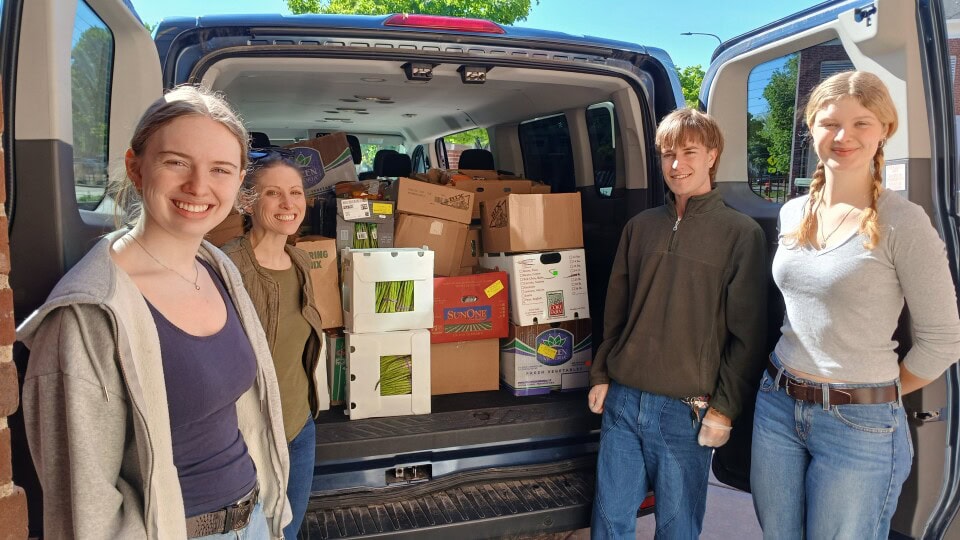
R&E’s food waste prevention work aims to keep edible food out of the trash through partnerships with local organizations and by providing grant funding and resources.
Program Highlights:
As residential food scrap collection expands in Ramsey and Washington counties, R&E is working to ensure the compost produced from those scraps is put to good use locally. Food scrap-derived compost improves soil health by adding nutrients, supporting plant growth, and enhancing moisture retention and drainage. The program will continue providing compost to residents and community gardens while exploring partnerships to expand its use in community and landscaping projects.
Program Highlights:

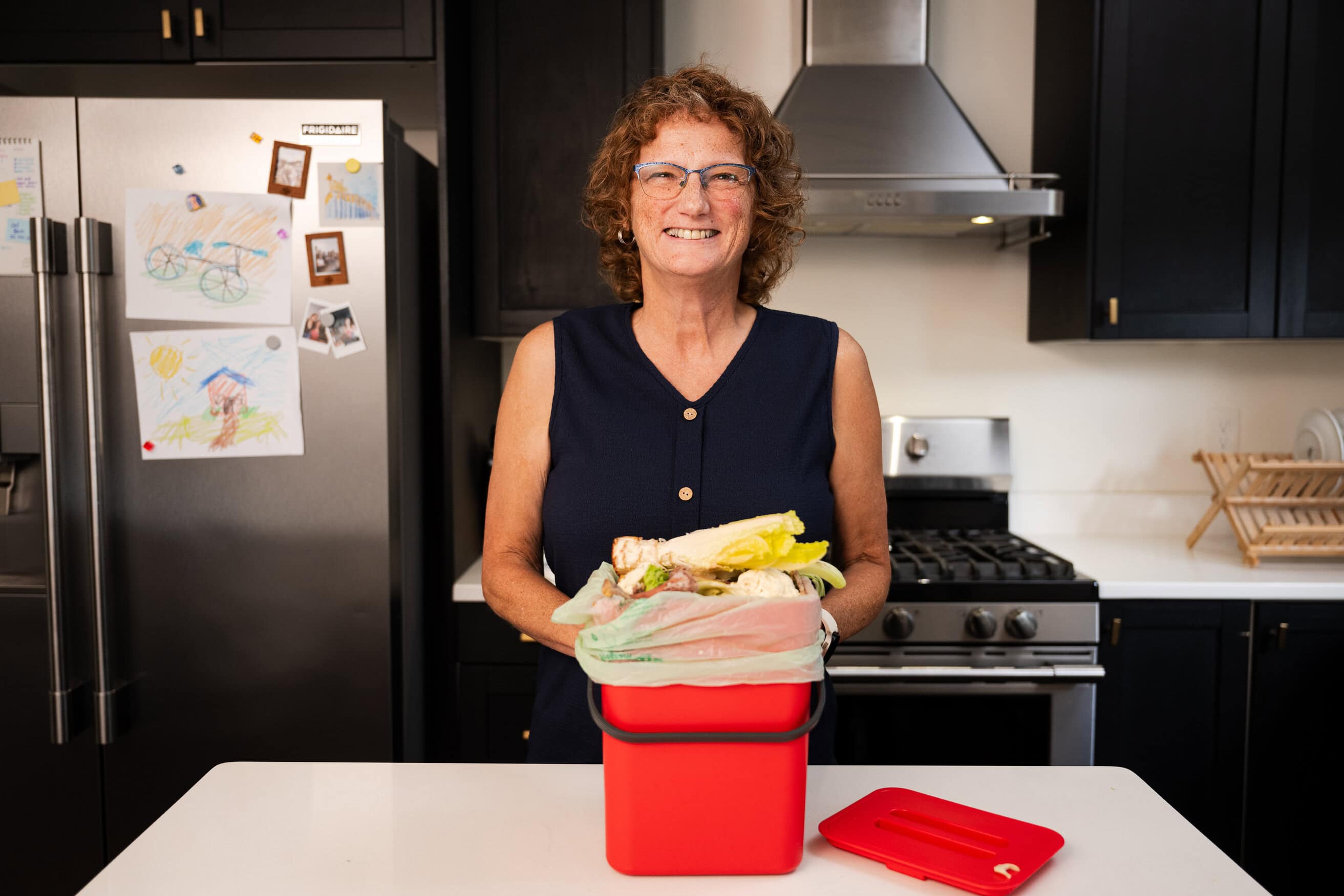
Approximately 20% of waste produced in Ramsey and Washington counties is food scraps. When residents participate in the Food Scraps Pickup Program, food waste and non-recyclable paper products are recycled and turned into a nutrient-rich material called compost that is used to improve our soil.
Program Highlights:
The Food Scraps Pickup Program is in the process of rolling out to all Ramsey and Washington county communities, with continued expansion throughout 2026.
The Journey of a Food Scrap Bag is a video that was created in 2025 to demystify the food scrap collection process, address skepticism about how the program works and show participants why their participation matters.

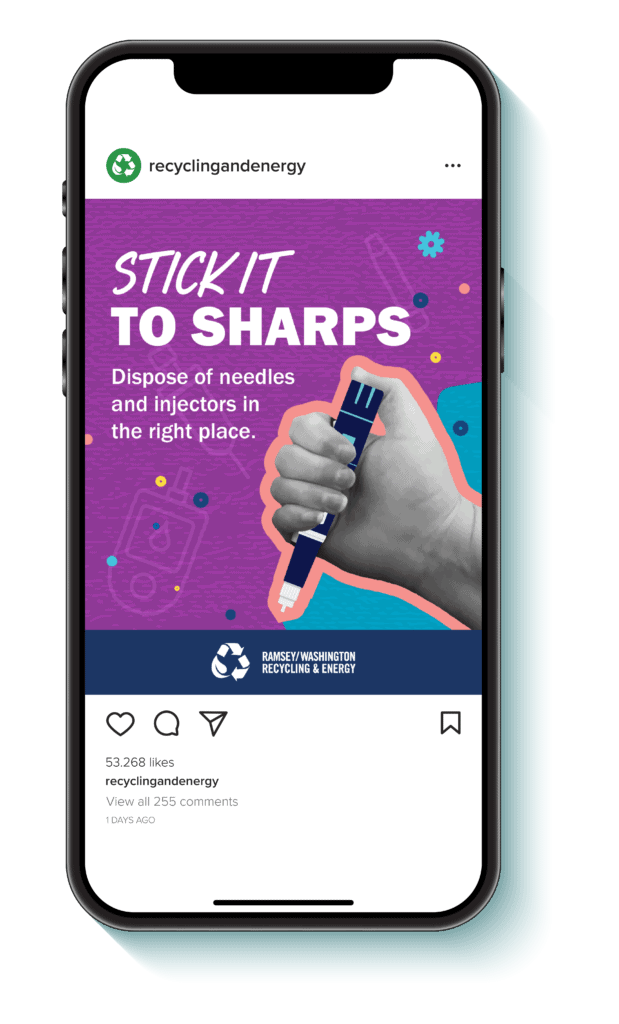
R&E communicates with the public through numerous channels. In 2025, R&E expanded its social media strategy to include more engaging content, like short-form videos and carousel infographics. Across social media pages, R&E content received nearly 12 million views.
In 2025, R&E launched targeted public awareness campaigns to address growing safety risks at the R&E Center caused by improperly disposed of household materials.
Together, these campaigns increased awareness, improved safety and helped protect both facility staff and the broader waste system.
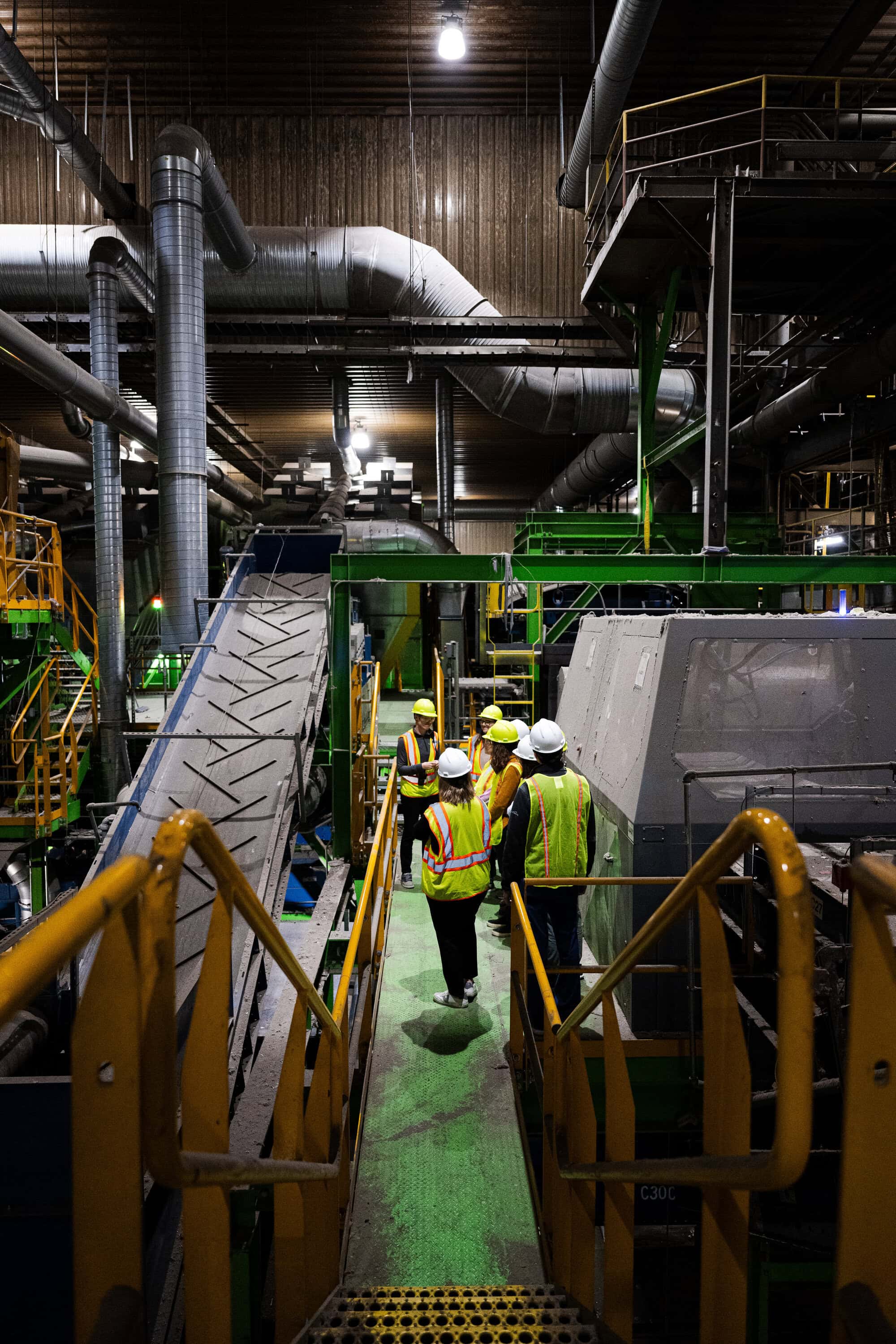
R&E offers tours of the R&E Center in Newport to highlight the facility’s innovative waste processing system and help residents understand their role in waste management.
More visitors were welcomed on tours in 2025 than any other year, including college and K-12 students, resident and community organizations, businesses, and industry and governmental partners.
Program Highlights:
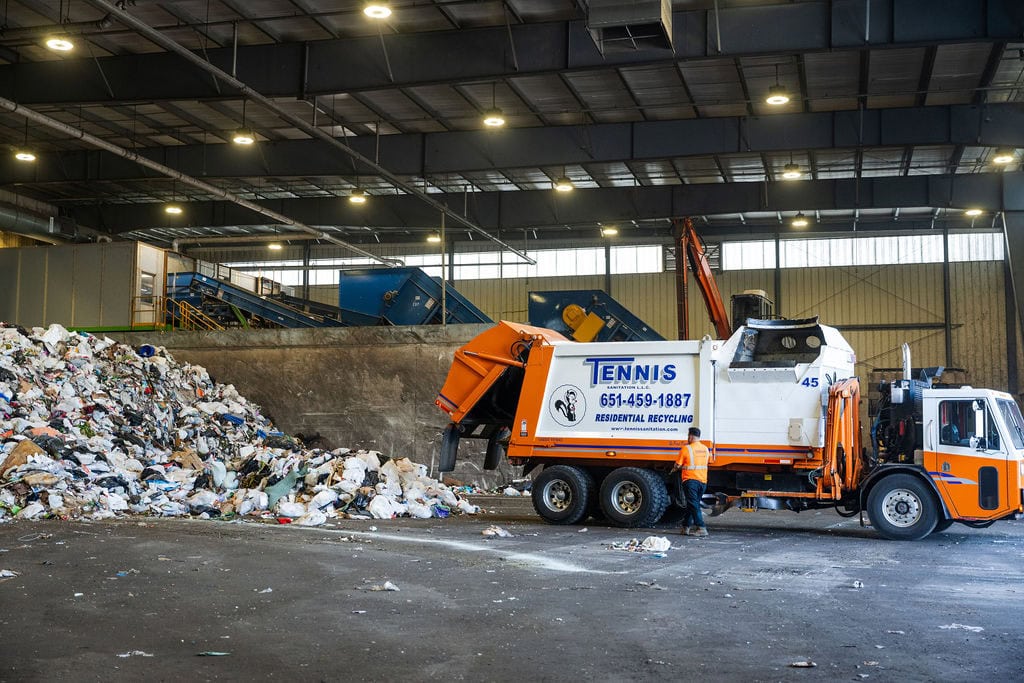
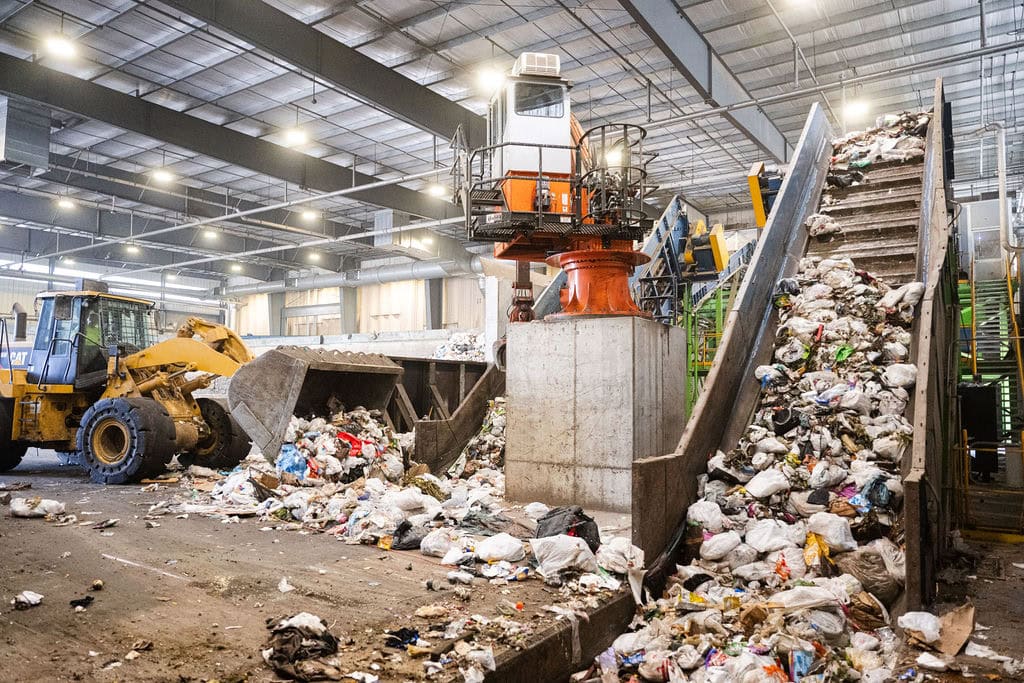
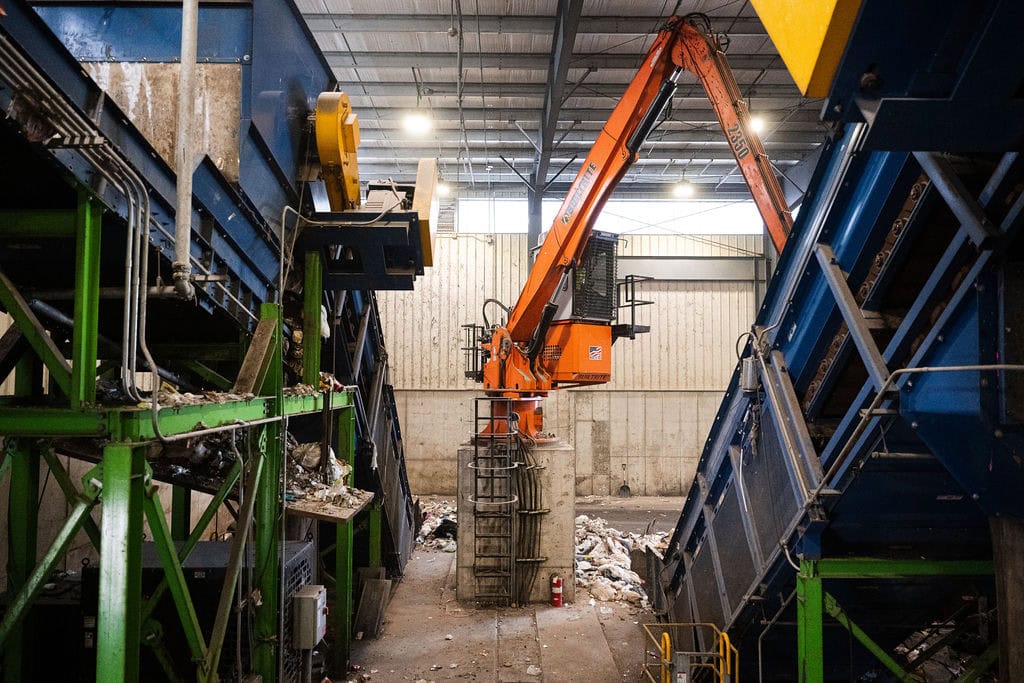
All municipal solid waste (MSW) — commonly referred to as trash — from residents and businesses in Ramsey and Washington counties is delivered to the R&E Center in Newport. There, state-of-the-art technology is used to recover value. Food Scrap Pickup Program food scrap bags are separated for commercial composting, metals are sorted for recycling and the remaining material is processed into refuse-derived fuel that generates electricity.
of trash were generated in Ramsey and Washington counties.
of trash were managed at the R&E Center.
of the two counties’ trash was diverted from landfills.
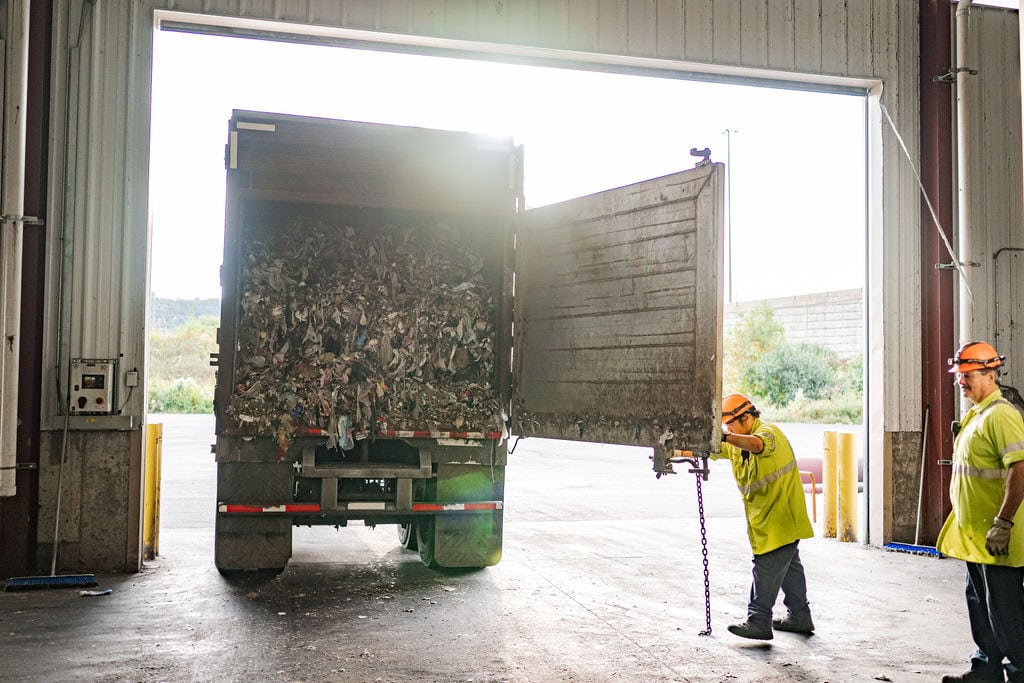
In 2025, 432,862 tons of municipal solid waste (MSW, commonly known as “trash”) was generated in Ramsey and Washington counties.
*In 2025, Xcel Redwing, Xcel Wilmarth and Newport plants all experienced higher rates/durations of unscheduled maintenance resulting in approximately 50,000 tons of solid waste having to be sent to landfills.
In 2025, 359,338 tons of trash were managed at the R&E Center.
Hover over pie chart sections for additional information.
Note: Total tonnage variation compared to breakout list due to factors such as moisture loss and year-end inventory.
Refuse-derived fuel (RDF) for electricity
Landfill
Recycling
Aluminum recovered
for recycling
Ferrous metal recovered
for recycling
Tires recycled
Appliances recycled
Mattresses recycled
Food scraps composted
Process residue
Bulky waste
landfilled
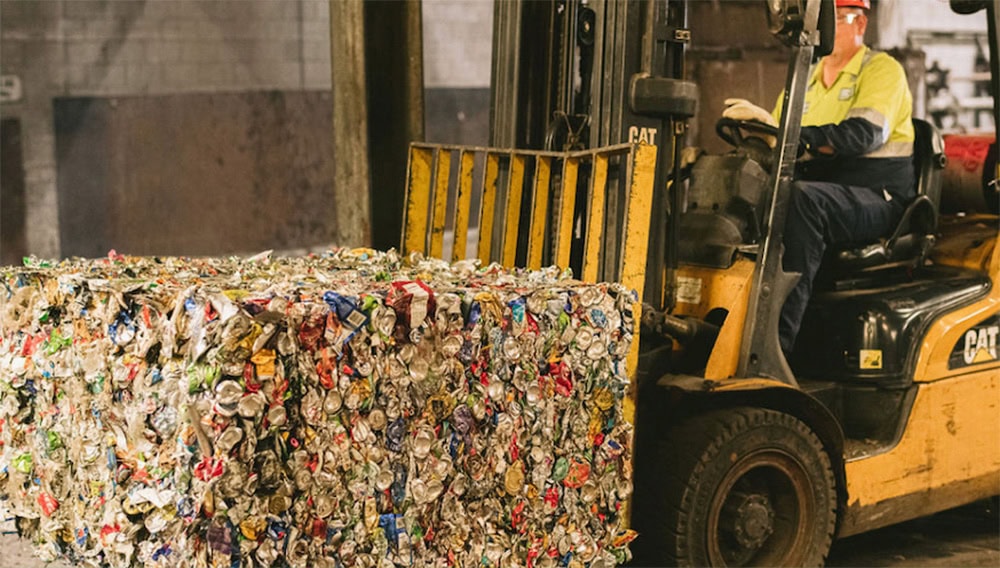
Process residue is a byproduct of the waste processing at the R&E Center.
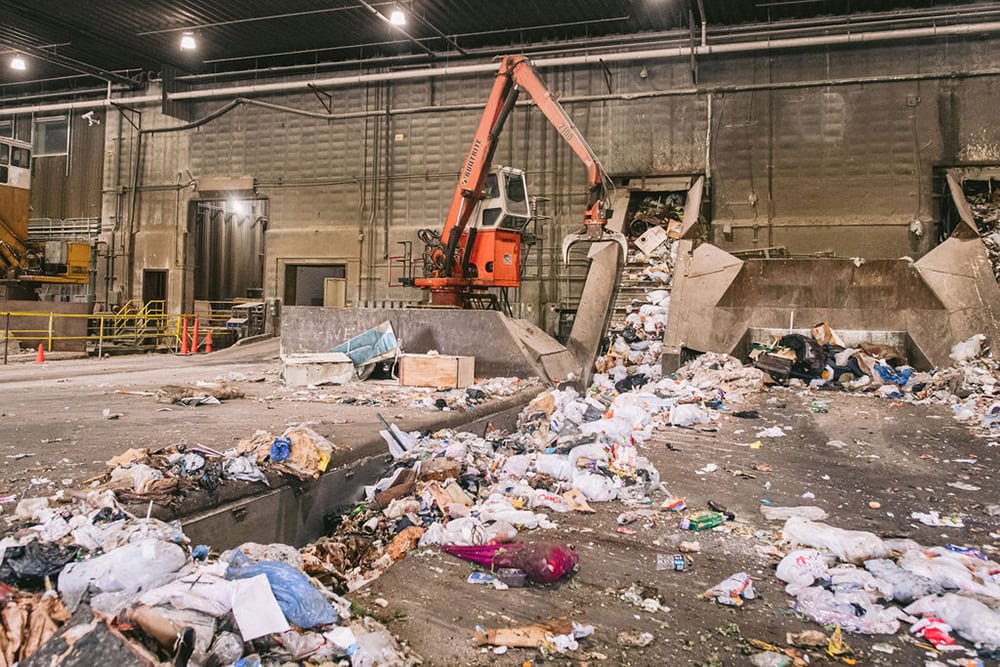
Refuse-derived fuel, or RDF, is a fuel created from waste that can’t be recycled. The RDF created at the R&E Center is sent to Xcel Energy power plants to generate electricity.
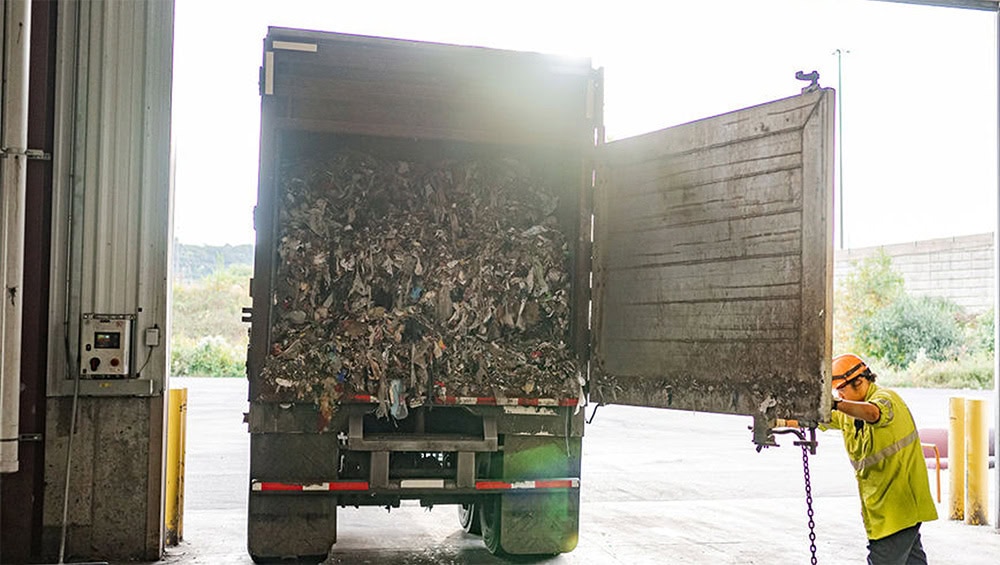
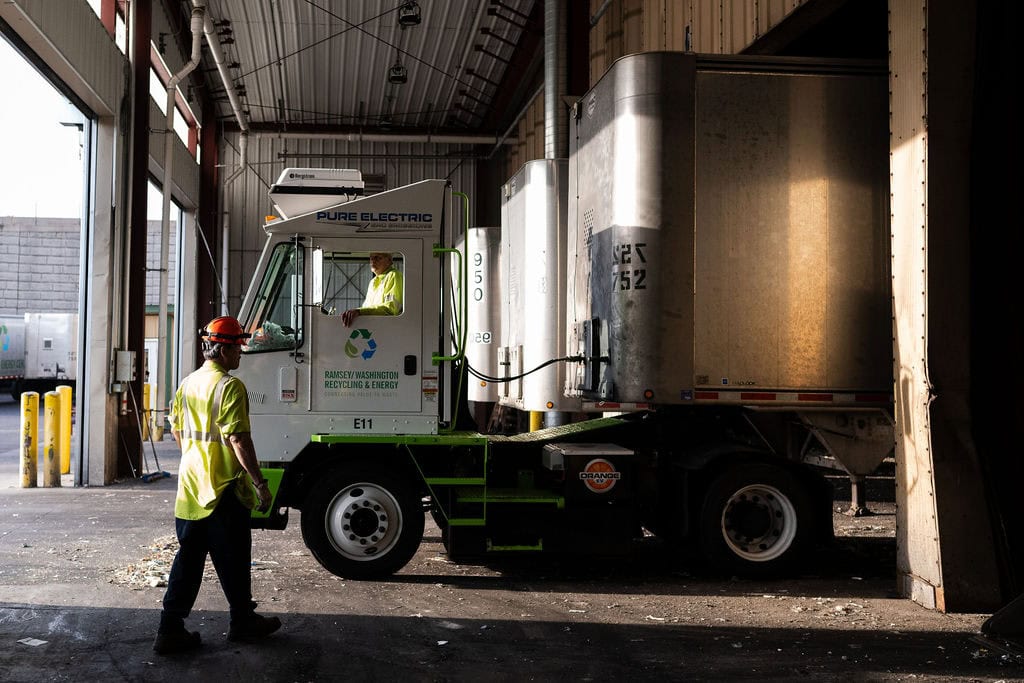
R&E and its contractors conducted 686 odor inspections in 2025, with only 6.3% resulting in MSW detections, none of which were above permitted levels and were described as weak or very weak.
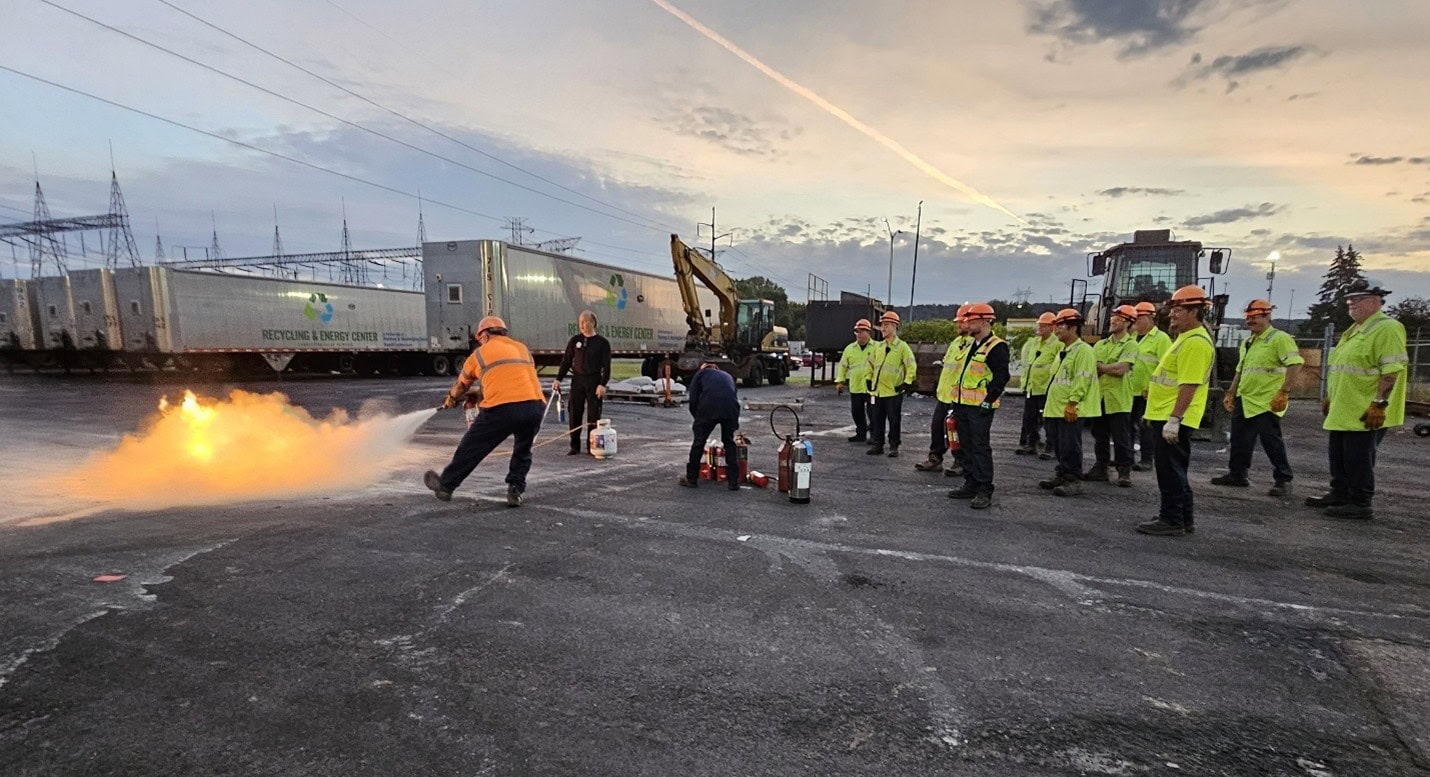
R&E prioritizes staff safety by providing comprehensive training to ensure safe and effective facility operations. 2025 facility safety highlights include:
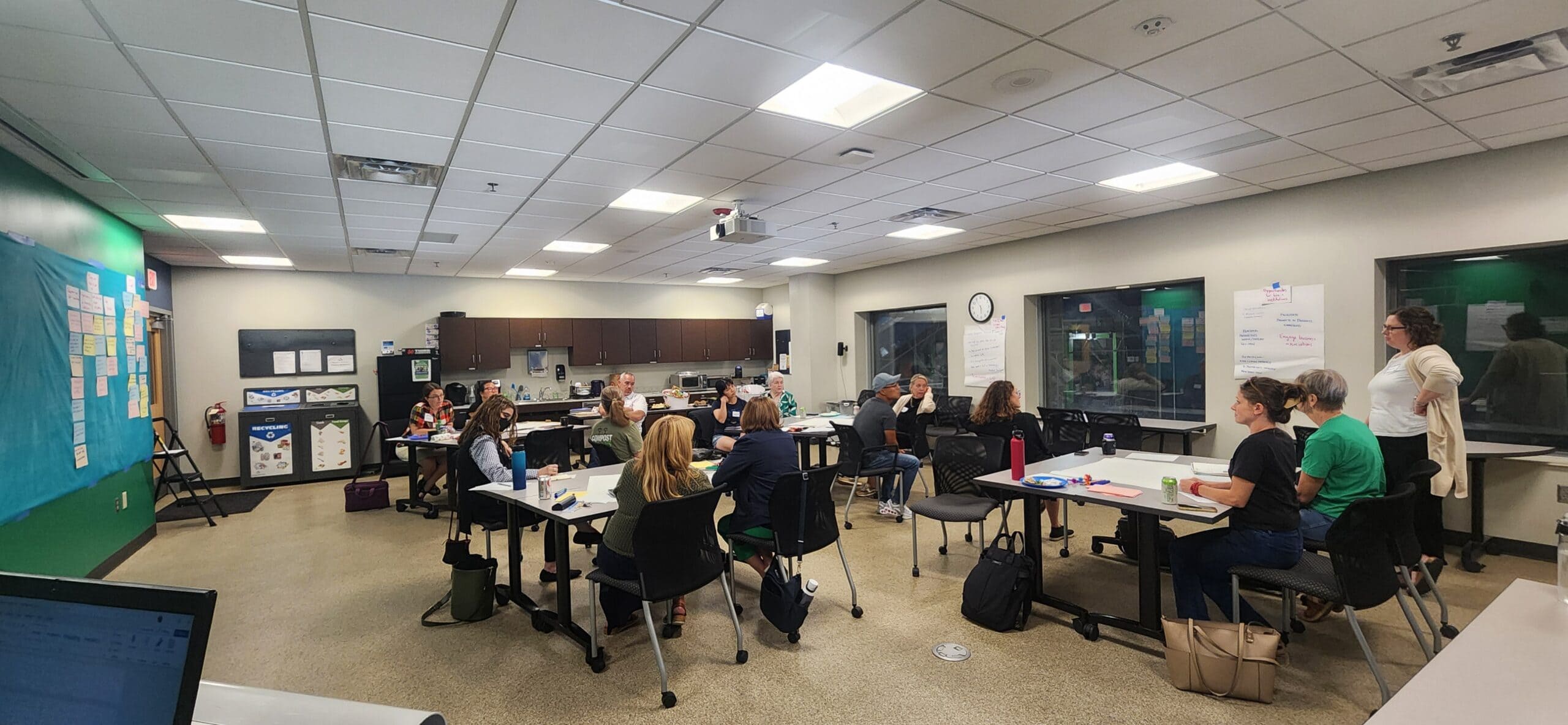
2025 marked a new milestone in R&E’s organizational maturity: the adoption of a first-ever strategic plan. While the counties’ solid waste management plans continue to define policy and tactics, R&E’s 2025-2030 Strategic Plan outlines the approach to most effectively advance board goals. The plan establishes a critical middle layer in R&E’s planning structure, connecting strategic vision, mission and values with day-to-day programs and operations.
The plan was developed by leveraging a combination of staff expertise, community input and board direction. Key county and R&E staff first met in a series of workshops to shape the initial framework. Staff then conducted a focus group, survey and analysis of prior county engagement to collect feedback from the public and partners. An R&E Board workshop was convened for commissioners to review and provide feedback on the draft plan. The adopted strategic plan reflects the collaborative foundation, community focus and emerging opportunities in waste diversion that will enable R&E to realize environmental and public health benefits in Ramsey and Washington counties and beyond.
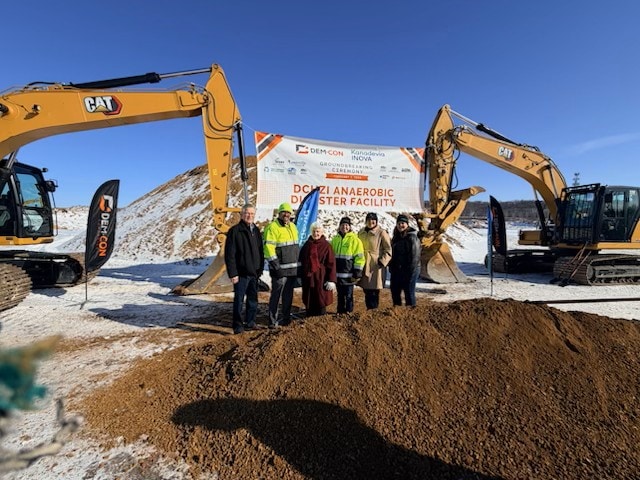
In 2025, R&E made significant strides toward improving waste management and energy production. In partnership with Dem-Con HZI Bioenergy, LLC, R&E has advanced its anaerobic digestion project. Anaerobic digestion converts organic waste into biogas through a controlled microbial process. This biogas can be used to generate renewable energy, offering an environmentally sound alternative to traditional waste disposal methods.
Key project milestones have been reached in terms of agreements, permitting and infrastructure development. Additional funding for the project was secured through the Minnesota Environment and Natural Resources Trust Fund as recommended by the Legislative-Citizen Commission on Minnesota Resources. This project also received support from the State of Minnesota through the State Competitiveness Fund Matching Funds program.
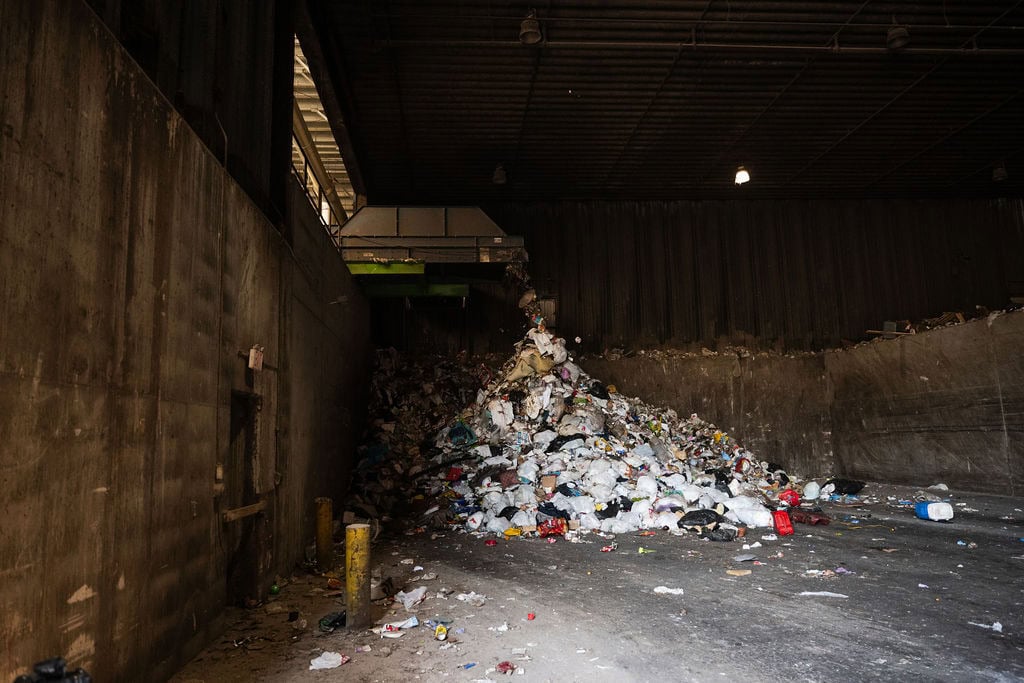
R&E continued to explore alternatives for refuse-derived fuel in 2025, as part of an ongoing commitment to responsible waste management and sustainable energy production.
By evaluating different feedstocks and treatment processes, R&E aims to optimize the production of refuse-derived fuel and reduce the environmental footprint of waste-to-energy systems. The exploration of new methods is key to ensuring that the region’s waste management and energy needs are met with minimal impact on the environment.
R&E is a member of the Minnesota Resource Recovery Association (MRRA). In 2025, an independent study commissioned by MRRA found that modern resource recovery facilities destroy nearly all per- and poly-fluorinated alkyl substances, more commonly known as PFAS, through the waste-to-energy process.
R&E operates out of three budgets: the Programs Budget, the Facility Budget and the Equipment Maintenance & Repair Budget.
DISCLAIMER: Please note that the financial figures presented in this report are unaudited, and the final audited numbers will be provided at a later date.
PROGRAMS BUDGET
Project Management
3,485,045
Commercial & Residential Recycling
4,510,316
Community Waste Solutions
654,492
Food Scraps Recycling
1,547,651
General Outreach
1,373,662
Policy Evaluation
950,695
TOTAL
$12,521,862
The Programs Budget supports a variety of projects to meet goals outlined in the counties’ waste management plans and is funded by Ramsey and Washington counties. Both counties charge a fee associated with collecting trash, referred to as the County Environmental Charge (CEC). A portion of CEC fees funds the Programs Budget.
FACILITY BUDGET
Personnel
10,784,024
Fuel
5,533,947
Landfill
9,824,936
Compost
91,110
Transportation
8,598,356
Transloading
2,750,282
Operations
10,624,099
Contingency
808,897
Enterprise Reserve Fund (ERF)
1,500,000
Transfer to Equipment Maintenance Fund
300,000
Debt Service
4,868,800
TOTAL
$55,684,452
The Facility Budget supports the operation of the R&E Center. This enterprise budget is funded by tipping fees.
EQUIPMENT, MAINTENANCE AND REPAIR BUDGET
Equipment and Maintenance
2,390,000
TOTAL
$2,390,000
The Equipment Maintenance & Repair Budget supports equipment maintenance, repair and replacement at the R&E Center. This budget is partially funded by the sale of recyclables recovered from the trash at the R&E Center.