
Programs

Building Material Reuse Grants

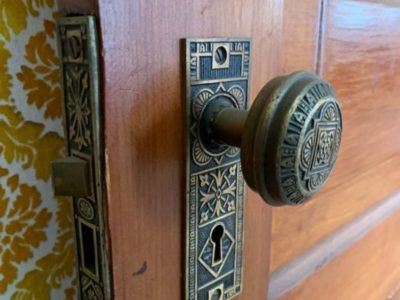
There are options beyond demolition when a building comes to the end of its life. Deconstruction is the process of taking a building apart so that the individual building materials can be reused in other projects. Many building materials – including cabinets, light fixtures, wood floors, doors, bathtubs, toilets, windows and much more – can be reused instead of being sent to a landfill.

Grants are available to support projects including renovation, full structure deconstruction or full structural moves.

Eligibility Criteria

  1. Property owners or developers of residential or commercial properties in Ramsey or Washington counties may apply for the grant. Publicly owned properties are not eligible for funding. 
  2. Structures or area of renovation must be over 500 square feet and built prior to 1970 unless otherwise approved by R&E. Decks, sheds, and exterior landscaping materials are not included in the square footage. 
  3. All proposed grant projects must meet all city, county, state, regional and national zoning, building, and fire codes. It is the responsibility of the grantee to ensure applicable local, state, and federal laws and regulations are in compliance. 
  4. Grant funding cannot be used for work that has already been started. Projects must take place after the agreement to issue grant funds is established. 
  5. R&E reserves the right to accept or reject any applications and/or request additional information as deemed necessary. 

Funding available

Residential Deconstruction Grant

Residential properties in Ramsey and Washington counties, including multi-unit structures with a maximum of four units, can receive up to $5,000 ($2 per square foot) for projects that use deconstruction/salvage techniques. 

  1. Minimum of five material types from Category A (listed below).
    • Bathroom cabinets/vanities
    • Bathtubs
    • Built-ins
    • Cabinets
    • Casing around doors and windows
    • Countertops
    • Doors
    • Light fixtures
    • Mantels
    • Molding/trim
    • Radiators/registers
    • Shutters or siding
    • Sinks
    • Stair treads and railings
    • Stone details
    • Toilets
    • Windows
    • Other materials as approved by R&E
  2. At least 1,000 pounds of material from Category B (listed below).
    • Brick or stone blocks
    • Wood flooring
    • Dimensional lumber
    • Ceiling and floor joists
  3. An asbestos survey of all suspect materials within the proposed project footprint by a Minnesota Department House (MDH)-certified asbestos inspector isrequired. Any confirmed asbestos-containing materials to be disturbed within the project footprint must be abated by an MDH-licensed asbestos contractor prior to beginning salvage.
  4. All non-reusable building material generated from the project must be sent to a recycling facility that achieves a minimum 50% recycling rate (i.e. LRS and Dem-Con).
  5. Grantees must provide documentation verifying that reuse criteria was met to receive grant funds.
Commercial Deconstruction Grant

Commercial properties in Ramsey and Washington counties, including multi-unit residential properties with more than four units, can receive up to $10,000 ($2 per square foot) for projects that use deconstruction/salvage techniques.

  1. Minimum of five material types from Category A (listed below).
    • Bathroom cabinets/vanities
    • Bathtubs
    • Built-ins
    • Cabinets
    • Casing around doors and windows
    • Countertops
    • Doors
    • Light fixtures
    • Mantels
    • Molding/trim
    • Radiators/registers
    • Shutters or siding
    • Sinks
    • Stair treads and railings
    • Stone details
    • Toilets
    • Windows
    • Other commercially-specific material types as approved by R&E
  2. At least 1,000 pounds of material from Category B (listed below).
    • Brick or stone blocks
    • Wood flooring
    • Dimensional lumber
    • Ceiling and floor joists
  3. An asbestos survey of all suspect materials within the proposed project footprint by a Minnesota Department House (MDH)-certified asbestos inspector is required. Any confirmed asbestos-containing materials to be disturbed within the project footprint must be abated by an MDH-licensed asbestos contractor prior to beginning salvage.
  4. All non-reusable building material generated from the project must be sent to a recycling facility that achieves a minimum 50% recycling rate (i.e.  LRS  and  Dem-Con).
  5. Grantees must provide documentation verifying that reuse criteria was met to receive grant funds.
Used Building Material Installation

Funding can be used to install used building materials in remodel, renovation, and new construction projects. Residential or commercial projects can receive up to $5,000 (up to $2 per square foot) to incorporate used building materials.

  1. A minimum of five different salvaged materials from Category A (listed below) OR, at least 500 pounds of salvaged material from Category B (listed below) must be installed into the project.

    Category A

    • Bathroom cabinets/vanities
    • Bathtubs
    • Built-ins
    • Cabinets
    • Casing around doors and windows
    • Countertops
    • Doors
    • Light fixtures
    • Mantels
    • Molding/trim
    • Radiators/registers
    • Shutters or siding
    • Sinks
    • Stair treads and railings
    • Stone details
    • Toilets
    • Windows
    • Other materials as approved by R&E

    Category B

    • Brick or stone blocks
    • Wood flooring
    • Dimensional lumber
    • Ceiling and floor joists
  2. Must provide documentation verifying reuse criteria was met to receive funds.
Structural Move Grant

Funding to physically relocate a building to another location. These projects can receive up to $15,000 per project (up to $5 per square foot) based on eligible expenses. 

  1. All non-reusable building material generated from the project must be sent to a recycling facility that achieves a minimum 60% recycling rate (i.e. LRS and Dem-Con) or source separated material from the job site and delivered directly to end markets.  
  2. Must provide documentation verifying move and new location to receive funds

Resources and Additional Program Details

  1. Applicant submits completed application and required documentation.
  2. A site visit will be conducted by county staff to assess eligibility. 
  3. After required documentation, including a W-9, is received and site visit is completed, R&E staff will inform applicant of eligibility status. 
  4. Once eligibility is confirmed, R&E staff will issue a preliminary contract. 
  5. Applicant completes deconstruction, installation, or move project.  
  6. Applicant submits itemized receipts from reuse retailers documenting items were purchased/accepted for reuse.  
  7. Applicant submits documentation showing non-reusable materials met the minimum recycling rate by weight and any hazardous materials were properly managed.   
  8. R&E staff verifies documentation and if confirmed, grantee is issued funds. 

Categories of material types that are acceptable for deconstruction include: 

Category A

Bathroom cabinets/ vanitiesBathtubs
Built-insCasing around windows and doors
CountertopsKitchen cabinets
Light fixturesMantels
Molding/trimRadiators/registers
Shutters/sidingSinks
Solid wood doorsStair treads and railings
Stone detailsToilets 
Windows *Other materials as approved by R&E 

Category B

Brick or stone blocksCeiling and floor joists 
Dimensional lumber Wood flooring 
Wood beams *Other materials as approved by R&E 

Not Eligible

Drywall/gypsumElectrical wiring
FaucetsFencing/landscaping supplies
FurnitureHardware
Household goodsInsulation
Paint
View program flyer (PDF).

Not in Ramsey or Washington County? Check outHennepin County’s building reuse grant opportunity or Carver County’s building material reuse grants.

Learn more about building materials reuse and salvage.